Technology Solutions Midwest
Your Partner for Managed Technology Solutions

Summary: Allow personal devices only for approved work, through approved apps, and when the device meets your security requirements. Use company-owned devices for administration, sensitive work, or jobs that require large amounts of data to be stored locally.
Employees often use personal devices for work before the business has made a decision about it. They add work email to a phone, download a file to a home laptop, or sign into a company app from a computer shared with family.
Once business data is stored on a personal device, you have less control over updates, installed apps, backups, and who else uses the device. You also need a way to remove company data when the employee leaves or the device is lost.
Personal devices can be allowed, but the business should decide which devices, applications, and types of work are permitted.
Bring your own device, usually shortened to BYOD, means an employee uses a personally owned phone, tablet, or computer for work.
That can include:
Depending on the application, business information may remain in the cloud or be downloaded to the device as messages, attachments, cached data, or files.
Your IT team can set and monitor security on company-owned devices. With personal devices, employees choose which apps to install, when to update the operating system, who else uses the device, and where files are backed up.

Management software can enforce some rules, but the available controls depend on the device, operating system, application, and enrollment method.
An employee may share a home computer or tablet with a partner, child, or another family member. Separate user accounts can reduce the risk, but many personal devices are used through one shared account.
The UK National Cyber Security Centre says BYOD access should not be permitted when an employee cannot follow the required security rules. Its example includes a device that cannot keep the employee’s work separate from other family users. NCSC BYOD guidance
Your IT provider may not be able to confirm whether a personal device runs a supported operating system or has current security updates.
An employee may delay an update because the device lacks storage, an older application might stop working, or the device is rarely restarted.
A file downloaded from work email or cloud storage may remain in the Downloads folder, a personal document folder, or a device backup.
A personal cloud backup service could then copy the file to an account the business does not manage. Opening the document in a personal application may create another unmanaged copy.
Personal devices contain applications chosen by the employee. Some may have permission to read files, contacts, browser activity, or information copied to the clipboard.
The business may not know which applications are installed or what those applications can access.
A broken personal phone or laptop may be taken to a repair shop chosen by the employee. Business email, saved sessions, or downloaded files could still be available on the device.
Your policy should tell employees who to contact before a device is repaired and what to do if the device cannot be opened.
Disabling an employee’s account stops future access to many cloud services. It does not remove copies that were downloaded to personal folders, opened in unmanaged applications, or copied to personal storage.
Managed work profiles and protected applications make it easier to remove company data. They can only remove the information they control.
Set access based on the work being performed and the information involved.
You might allow employees to read work email through an approved mobile app while requiring a company computer for customer database exports. Staff handling financial records, health information, legal documents, or large amounts of customer data may also need company-owned devices.
Administrative work should be performed from a managed device. Anyone responsible for user accounts, security settings, backups, or business systems should not do that work from an unmanaged personal computer.
Apply the same rules to contractors. Their access should be limited to the applications and information required for their work.
A personal device should meet your requirements before it can access company information.
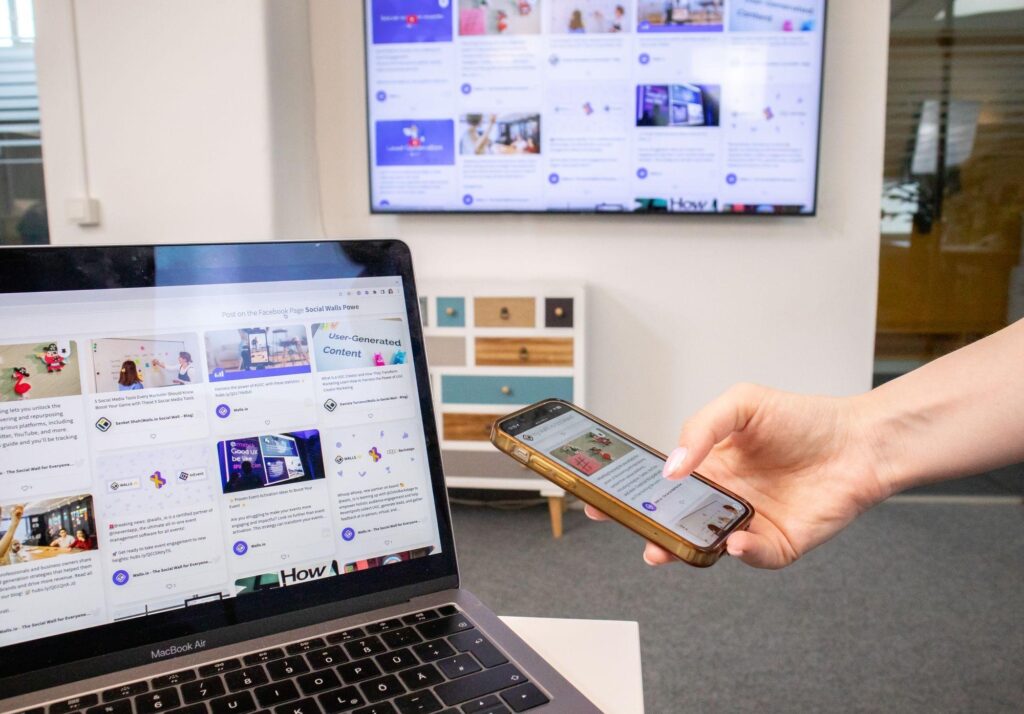
The device should run an operating system that still receives security updates. Block access from devices that can no longer install current updates.
Operating system and application updates should install automatically where possible. Employees should restart their devices when an update requires it.
Require a PIN, password, fingerprint, or facial recognition to unlock the device. Configure the screen to lock automatically when the device is not being used.
Encryption helps protect stored information if a device is lost or stolen. The Australian Cyber Security Centre recommends full-device encryption when personal devices may store business information. Cyber.gov.au BYOD guidance
Encryption must be enabled before the device is lost. It also needs to be supported by a strong device password or PIN.
Require MFA for work email, cloud storage, and other important systems. The NCSC recommends MFA as a minimum for BYOD access.
Use MFA for account sign-ins. Protect downloaded information with encryption and managed applications.
Rooting or jailbreaking removes some of the operating system’s built-in restrictions. These devices should not be allowed to access company data.
Detection is not perfect, so it should be used with the other security controls in this article.
Tell employees which applications they may use for email, messaging, file access, and other work.
Where your management service supports it, prevent business information from being saved to personal storage or copied into unmanaged applications.
A personal computer used for work should have a separate account for the employee. Other users should have their own accounts and should not know the employee’s password.
Do not allow BYOD access when work cannot be kept separate from other users of the device.
Employees need to know who to contact if a device is lost, stolen, repaired, replaced, or infected with malware.
Early reporting gives the business more time to disable access, check account activity, and remove managed data.
Device and application management services can help keep work information separate from personal information.
Mobile device management, or MDM, can apply settings to an enrolled device and report whether it meets company requirements. The amount of control depends on the platform and enrollment method.
Mobile application management, or MAM, applies controls to supported work applications and their data. Depending on the product, it may restrict copying, block saving to personal storage, require another PIN, or remove company information from managed apps.
For example, Microsoft Intune can remove company data from protected applications when a device is lost or an employee leaves. Personal information can remain on the device.
Selective removal only affects data managed by the service. It cannot delete a file copied into an unmanaged application, personal backup, or unsupported storage location.
A factory reset removes personal and business data. Microsoft warns administrators about the risk of applying full device management to computers and phones the business does not own. Configure selective removal where possible and tell employees exactly what your management service can see and do. Microsoft Intune planning guide
Your policy should answer these questions:
Privacy, employment, and data protection requirements vary between countries. Have the policy reviewed for each location where you employ people.
Employees should read and accept the policy before company access is added to their devices.
The employee should contact the business or IT provider as soon as possible.
Your response may include:
Remote locking and removal commands only work after the device connects to the management service. A device that remains switched off or offline may never receive the command.
Encryption and account controls are still required because remote removal might not run.
Disable the employee’s account and revoke active sessions at the agreed time. Remove company data from managed applications or work profiles.
Check whether business files were downloaded to the device and confirm how those copies will be returned or deleted.
Remove the device from your approved-device records. Where your management service supports it, remove business applications, certificates, email profiles, and VPN settings.
Provide a company-owned device when:
Company-owned devices are easier for your IT provider to support because their settings and installed software are known.
You can allow browser access, but information may still remain in the browser cache, Downloads folder, saved passwords, screenshots, or active sessions.
Access policies can limit the devices and browsers that are permitted. Sensitive work may still require a managed device.
MFA helps protect the employee’s account. Device encryption protects stored files, while managed applications control how company information is used and copied.
You still need updates, screen locks, approved applications, and a process for lost devices.
It depends on the management method. App management focuses on business applications and their data. Device enrollment can show device details and allow broader control.
Give employees a written explanation of what your IT team can see, change, lock, or remove before they enroll.
Some enrollment methods support a full factory reset, while app-only management does not. A factory reset deletes personal information as well as company data.
Use selective removal for employee-owned devices where it is available.
BYOD may reduce hardware purchases, but it can add costs for management, support, security, and administration. Whether it saves money depends on the devices, applications, and work you allow.
If employees already use personal devices for work, ask your IT provider to check what they can access and whether the required controls are in place.
And if you don’t have an IT provider, feel free to reach out to us and we’ll help you sort it out.
—
This Article has been Republished with Permission from The Technology Press.
